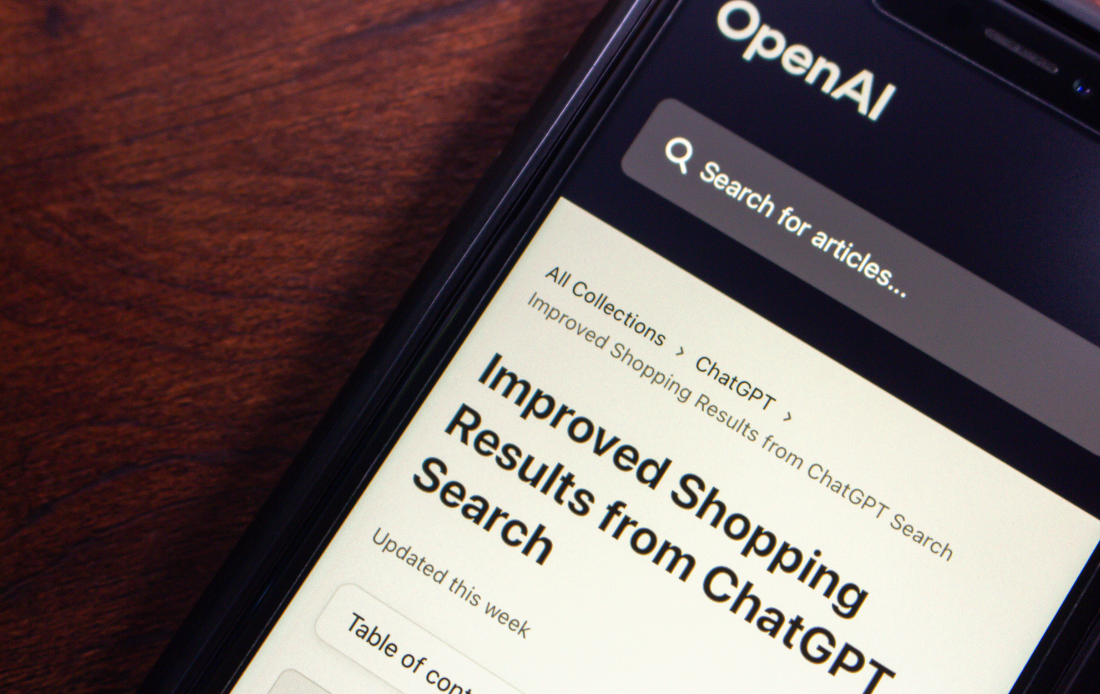
Shopping is no longer just a transaction. It’s becoming a conversation with AI platforms, where customers ask, “What’s the best moisturiser for sensitive skin?” or “Where can I buy affordable luxury perfume?” and receive instant, curated recommendations.
At Phoenix Wolf, we see this shift as one of the biggest disruptions in retail since eCommerce itself. Google searches, social scrolling, and marketplace browsing are giving way to AI-driven shopping assistants like ChatGPT, Perplexity, Gemini, and even TikTok’s evolving search. The winners? Brands that prepare their digital presence with strategic eCommerce SEO for this new era of discovery.
In this article, we explore one of the biggest disruptions in retail since eCommerce itself: the rise of AI-driven shopping assistants. We’ll cover:
- How platforms like ChatGPT, Google SGE, Perplexity, and TikTok are changing discovery.
- Why this shift matters for retailers and eCommerce brands.
- What businesses can do to prepare for the AI-driven future of eCommerce.
Why Shopping Is Moving to AI Platforms
Shopping has always evolved around convenience. First it was the corner store, then malls, then online eCommerce, and later mobile apps. Each shift made it faster, easier, and more personalised to buy what you need. AI platforms are the next natural step in this evolution, removing the friction of searching, comparing, and filtering endless options.
In the traditional model, a consumer might:
- Type a keyword into Google.
- Scan through 10 blue links.
- Open multiple tabs.
- Cross-check reviews on separate sites.
- Finally make a purchase decision.
That process could take anywhere from 15 minutes to several days, depending on the product. AI platforms collapse all of that into a single interaction.
Instead of browsing, customers now ask a direct question:
- “What’s the best vegan moisturiser for dry skin under $50?”
- “Where can I find affordable basketball shoes in Australia?”
- “Which fragrance lasts the longest without being overpowering?”
Within seconds, AI platforms can analyse reviews, product specs, expert articles, and retailer data to provide a clear, conversational recommendation.
This shift is being driven by three consumer needs:
- Speed: People are fatigued by information overload. AI cuts the noise and saves time.
- Trust: Instead of relying on ads or biased reviews, consumers lean on AI to aggregate insights from multiple sources.
- Personalisation: AI can remember context, your past preferences, style choices, or even allergies, and refine recommendations in real time.
Early signs are already here:
- ChatGPT with browsing can instantly suggest products and provide links to purchase.
- Perplexity delivers top product options with citations to trusted sources.
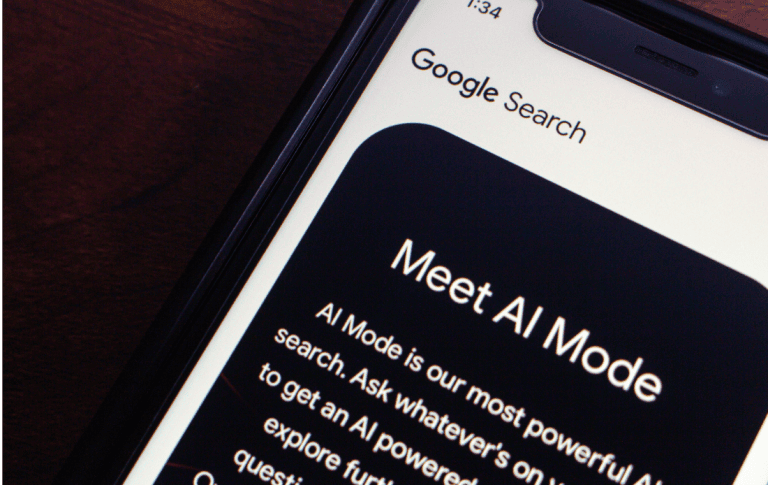
- Google’s AI Overviews (SGE) already show recommended products before you click.
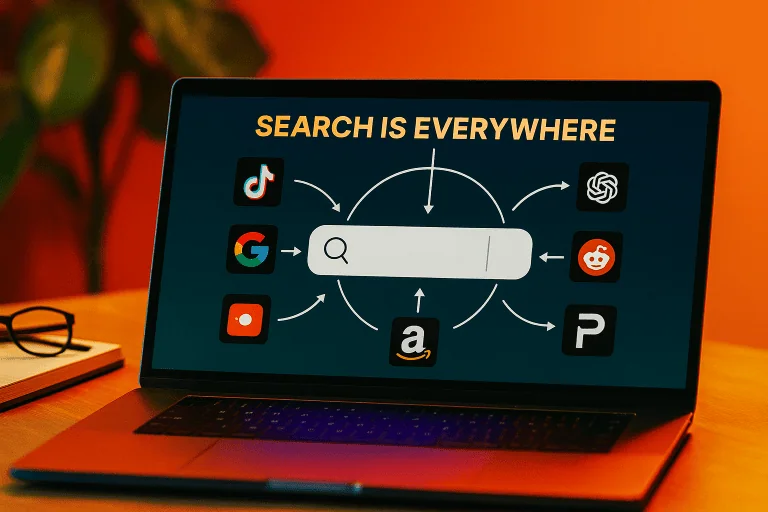
- TikTok search is morphing into a blend of entertainment, reviews, and AI-driven product discovery.
In other words, the shopping journey is shifting from “search and compare” to “ask and receive.”
For brands, this means the battleground has changed. Success is no longer about who ranks on page one of Google – it’s about who AI chooses to recommend first.
The Rise of AI Shopping Assistants
We’re entering an era where shopping no longer starts with a search bar – it starts with a conversation with AI.
AI shopping assistants are not just futuristic concepts. They’re already integrated into the platforms millions of people use daily:
- ChatGPT (with browsing enabled) can recommend products, summarise reviews, and link you directly to eCommerce stores.
- Perplexity AI functions as a research assistant, delivering side-by-side product comparisons with sources you can verify.
- Google’s Search Generative Experience (AI Overviews) now places recommended products above traditional search listings.
- Amazon Rufus, Amazon’s new AI shopping assistant, is being tested to guide customers through product discovery in real time.
- TikTok Search is blending algorithmic recommendations with AI-driven insights, turning social discovery into direct purchase intent.
What all of these have in common is a fundamental shift: instead of forcing consumers to trawl through ads, articles, and product pages, AI does the heavy lifting.
From Search Engines to Shopping Engines
Think about how you might shop for running shoes today. On Google, you’d search “best running shoes 2025,” skim multiple review sites, check YouTube videos, then visit a retailer. With an AI assistant, you can ask:
“I need lightweight running shoes for flat feet under $200 – what’s best?”
The AI instantly filters through reviews, specifications, and price points to recommend two or three options that fit perfectly. That’s a shopping engine, not a search engine.
Why Consumers Are Adopting AI Shopping Assistants
This rise is being fuelled by three forces:
- Time Efficiency – No one wants to compare 30 tabs. AI reduces friction by surfacing one or two strong options.
- Decision Confidence – AI recommendations feel more trustworthy because they’re aggregated from multiple credible sources, not one brand’s ad.
- Personalisation – As AI tools evolve, they’ll remember preferences, budgets, and even previous purchases, tailoring recommendations over time.
Surveys already show that more than 40% of Gen Z are comfortable trusting AI tools for product recommendations. As younger demographics set shopping trends, this number will only rise.
What This Means for Retailers
When AI assistants sit between consumers and brands, the power dynamic changes. Instead of fighting for page-one rankings or ad space, retailers must fight for AI visibility. If your product isn’t structured, reviewed, and contextually relevant enough to be surfaced, you simply don’t exist in the AI recommendation layer.
This is both a threat and an opportunity:
- A threat to brands relying solely on paid ads and basic SEO.
- An opportunity for brands who invest in AI Search Optimisation to become the default recommendation when consumers ask their AI assistant what to buy.
The rise of AI shopping assistants is not an experiment – it’s the future of product discovery.
What This Means for Brands & eCommerce
The rise of AI shopping assistants is rewriting the rules of online visibility. For the past two decades, eCommerce growth strategies have revolved around three pillars:
- Ranking on Google through SEO.
- Running paid ads across Google, Meta, and marketplaces.
- Building social proof through influencers, reviews, and UGC.
These tactics will still matter, but the filter between brand and consumer is shifting. To stay competitive, brands need to evolve beyond traditional rankings with a more strategic eCommerce SEO approach that prepares them for the AI-driven discovery. AI platforms are now the gatekeepers of product discovery – deciding which brands make it into the shortlist of recommendations.
For brands and eCommerce businesses, this represents both a risk and a once-in-a-generation opportunity.
The Risk: Being Invisible to AI
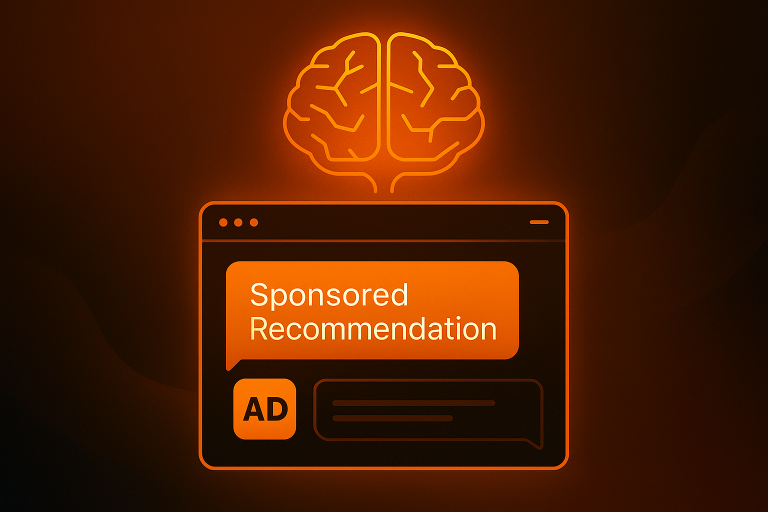
When a consumer asks “What’s the best perfume under $100?”, the AI may only surface three or four options. If your product isn’t one of them, you don’t just miss out on clicks -you’re excluded from the entire decision journey.
This is why relying on traditional SEO rankings or ad impressions alone is no longer enough. AI platforms don’t operate like Google SERPs. They don’t show 10 organic results plus four ads. They summarise and compress the entire internet into a handful of trusted recommendations.
In this world, invisibility isn’t about being on page two of Google. It’s about not being recognised at all.
The Opportunity: Becoming the Default Choice
The flip side is powerful: if you optimise for AI search, your brand can leapfrog competitors and become the default recommendation in your niche.
For example:
- A skincare brand with structured product data, verified dermatologist reviews, and topical authority could consistently appear in AI answers about “best moisturiser for sensitive skin.”
- An eCommerce fashion brand with strong entity recognition, size guides, and social validation could dominate AI recommendations for “affordable Australian streetwear.”
- A fragrance brand with user-generated reviews and rich schema could be cited whenever someone asks an AI assistant for “long-lasting perfumes under $150.”
In this environment, trust + structure = visibility.
The New Battleground for eCommerce
Brands need to think less about “ranking” and more about being understood by machines. That requires:
- Entity Recognition – Ensuring your brand and products are clearly defined in AI models (connected to the right categories, attributes, and contexts).
- Structured Data & Schema – Using product, review, and FAQ schema so AI platforms can parse and trust your information.
- Content Authority – Creating buying guides, comparisons, and reviews that AI can cite as sources.
- Omnichannel Presence – Appearing consistently across web, social, and marketplaces to strengthen brand signals in AI training data.
- Trust Signals – Verified reviews, expert mentions, media coverage, and digital PR that reinforce credibility.
At Phoenix Wolf, we group these tactics under Intelligent Visibility Optimisation (IVO), a framework designed to make brands visible not just on Google, but across every AI-driven platform shaping the future of shopping.
Why Action Can’t Wait
It’s easy to assume this change is years away. But AI shopping assistants are already here. Google’s AI Overviews, Amazon’s Rufus, and ChatGPT’s shopping plugins are proof that the shift has started.
Brands that wait will find themselves scrambling to catch up, while early movers will establish themselves as the trusted entities AI platforms default to recommending.
In other words, the brands preparing today will own the digital shelf space of tomorrow.
The End of Browsing as We Know It?
For decades, shopping online has been an active process. You’d open your laptop or phone, type a search query, and then click through a maze of tabs: brand sites, review blogs, YouTube unboxings, Reddit threads, and Amazon listings. Half the time, you’d get lost in the scroll and delay your decision altogether.
AI is set to erase that process.
Instead of actively browsing, the consumer will increasingly shift to passively receiving curated recommendations. A single prompt to an AI assistant – “Show me the best eco-friendly dog products in Australia” – could return a shortlist of two or three top-rated items, complete with summaries of why they’re the right choice.
This shift marks a profound change in the psychology of shopping.
From Exploration to Curation
Browsing has always had an element of exploration. Even if you started with one product in mind, the act of searching exposed you to alternatives -some cheaper, some better, some unexpected. That “digital window shopping” often created serendipity.
AI shopping assistants minimise exploration. Instead of showing you 30 products to sift through, they present the top three options most likely to suit you. That saves time but also reduces the feeling of discovery.
For brands, this means less chance to intercept customers by accident. If you aren’t among the AI’s recommended shortlist, you don’t exist in the consumer’s decision-making moment.
The Trust Factor
In traditional browsing, consumers built trust through volume – the more reviews they read, the more videos they watched, the more credible a product felt. In the AI-led model, trust is outsourced to the assistant.
If ChatGPT, Perplexity, or Google SGE says “This is the best option”, consumers are likely to accept it without second-guessing. Early research already shows that younger audiences, particularly Gen Z, are more willing to trust AI recommendations than they are brand websites or even influencer endorsements.
The risk? If your brand isn’t included, no amount of beautiful product photography or clever landing pages will matter -because the consumer may never see them.
The Speed of Decisions
Browsing also stretched out the buying cycle. Consumers would research, bookmark, revisit, and eventually make a decision days later. AI-assisted shopping compresses that cycle into minutes. The consumer gets the recommendation, clicks through, and converts.
This has two major implications:
- Higher conversion speed for brands that make the shortlist.
- Zero visibility for brands that don’t.
There’s less “middle ground” in the AI shopping ecosystem. You’re either in the answer, or you’re not part of the conversation.
What This Means for Consumer Choice
Will the end of browsing reduce consumer choice? Not necessarily -but it will reshape it. Instead of scanning 50 mediocre options, consumers will see fewer, higher-quality choices filtered through AI. For shoppers, this feels empowering. For brands, it raises the stakes.
The new challenge isn’t about outbidding competitors or out-ranking them on Google. It’s about being trusted enough by AI models to be included in the first place.
A New Era of Visibility
This is why Phoenix Wolf talks about Intelligent Visibility Optimisation (IVO). The battleground is no longer shelf space on Google or aisle space on Amazon – it’s AI recommendation space.
In a world where browsing as we know it disappears, only the brands that optimise for AI visibility will remain in the consumer’s line of sight. Everyone else risks fading into digital obscurity.
How eCommerce Businesses Can Prepare for AI Search
AI-driven shopping isn’t a distant concept -it’s already reshaping the way consumers discover and decide on products. Google’s AI Overviews are influencing product search, Amazon Rufus is guiding purchases, and consumers are increasingly turning to platforms like ChatGPT or Perplexity for recommendations instead of spending hours browsing.
For many eCommerce businesses, this shift feels overwhelming. The landscape is technical, fast-changing, and layered with jargon. But preparing now is the difference between becoming the default recommendation in your category – or being filtered out entirely.
Here are six areas every brand should begin focusing on:
- Strengthen Your Structured Data
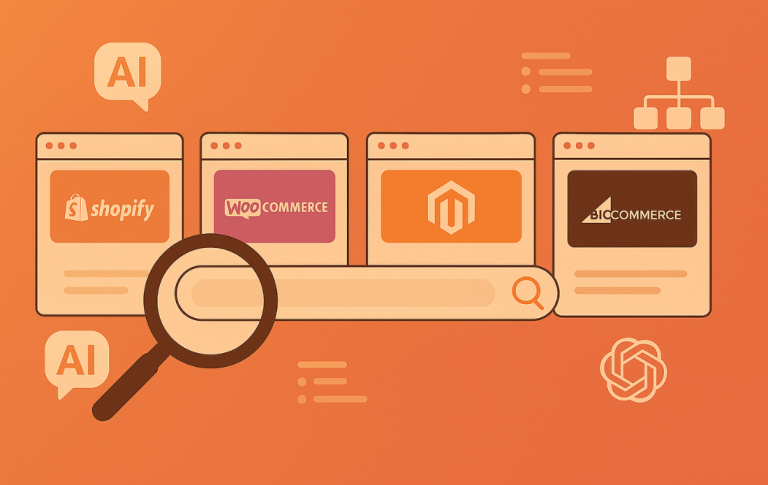
AI platforms rely on machine-readable signals, not just pretty product pages. Schema markup for products, reviews, FAQs, and local info ensures your store can be properly understood and surfaced in AI-generated answers. Without those signals, your products risks being invisible. This is why structured data is a key component of advanced SEO services, giving AI platforms the clarity they need to recognise and recommend your products.
- Optimise for Conversational Queries
AI shopping assistants don’t respond to keywords; they respond to questions. Your content should reflect the way real people ask for recommendations:
- “What’s the best men’s fragrance under $150 that lasts all day?”
- “Where can I find affordable but durable gym wear in Melbourne?”
Shifting content from keyword-first to question-first is a huge mindset change -but essential for AI search visibility.
- Build Topical Authority
A single blog post won’t convince an AI assistant your brand is credible. Authority comes from creating a network of helpful, interconnected content: buying guides, comparison posts, expert reviews, testimonials, and educational articles that reinforce your expertise. Consistently publishing this type of content forms the backbone of effective eCommerce SEO strategies, helping brands become trusted authorities in their space.
- Prioritise Trust Signals
Machines look for the same cues consumers do -but in a more structured way. Verified reviews, consistent brand mentions, reputable backlinks, and social proof all act as credibility markers AI can pick up on. If trust signals are missing or fragmented, your chances of being recommended shrink.
- Expand Beyond Google
AI search isn’t confined to one platform. TikTok, Reddit, Amazon, and YouTube are all feeding into AI outputs. The more consistently your brand appears across platforms, the more confidence AI systems have in citing you as an authority.
- Monitor Your AI Visibility
One of the simplest steps you can take right now is testing your own visibility. Ask AI platforms the questions your customers are asking:
- “What’s the best Australian perfume brand?”
- “Which online store sells reliable streetwear?”
- “What’s the most sustainable dog product brand in Australia?”
If your brand doesn’t appear -or worse, your competitors do -it’s a sign you need to strengthen your digital footprint.
Why It’s Hard to Go It Alone
For many eCommerce owners, implementing schema, restructuring content, and tracking AI visibility can feel like learning a new language while running a business at the same time. These aren’t simple SEO tweaks -they require technical expertise, strategy, and ongoing monitoring.
That’s where we come in. At Phoenix Wolf, we specialise in AI search optimisation and Intelligent Visibility frameworks. Our role is to take the complexity off your plate and make sure your brand is not just visible on Google, but also recognised, trusted, and recommended by the AI platforms that are shaping the future of shopping.
Phoenix Wolf Insight: Preparing for the Future of eCommerce with AI
The future of shopping on AI platforms isn’t a passing trend – it’s a structural transformation in consumer behaviour. Instead of browsing dozens of websites, reading endless reviews, and comparing prices manually, customers will increasingly turn to AI-powered assistants to make those decisions for them.
That means the path to purchase is becoming shorter, faster, and more decisive. But it also means competition is fiercer -because if AI doesn’t recognise your brand as relevant, credible, and trustworthy, you may not be considered at all.
For eCommerce businesses, the challenge is urgent:
- How do you make sure your products are understood by AI platforms?
- How do you build the trust signals that help your brand become the default recommendation?
- And how do you stay visible as consumer behaviour shifts away from traditional search and into conversational AI shopping experiences?
At Phoenix Wolf, we specialise in AI search optimisation and eCommerce growth strategies designed for exactly this moment. Whether you’re scaling a Shopify store, growing your Amazon presence, or preparing your brand for the next wave of AI-led discovery, we help ensure you’re seen where it matters most – by both people and machines. Our tailored SEO services and eCommerce SEO solutions strengthen visibility today while preparing your brand for AI-led shopping tomorrow.
👉 Ready to future-proof your eCommerce visibility? Talk to us today about AI Search Optimisation and Intelligent Visibility strategies.
FAQs About AI and the Future of eCommerce
Will AI replace traditional online shopping?
Not entirely. Marketplaces like Amazon, eBay, and Shopify stores will still exist, but the path to purchase will shift. Instead of manually browsing product pages, consumers will increasingly ask AI platforms for recommendations. This means AI assistants will play a central role in filtering products and shortening decision cycles, but traditional browsing won’t disappear completely.
How will AI change eCommerce SEO?
AI search shifts the focus from ranking on page one to being cited as a trusted source. Instead of only optimising for keywords, businesses will need to ensure their product data is machine-readable, their content answers conversational queries, and their brand is recognised as an entity across multiple platforms. Schema markup, topical authority, and structured FAQs will be critical for AI-driven visibility. This is why many brands are now investing in specialist eCommerce SEO services that combine traditional optimisation with AI search readiness.
What is an AI shopping assistant?
An AI shopping assistant is a platform like ChatGPT, Perplexity, Google’s AI Overviews, or Amazon Rufus that helps consumers make purchase decisions by analysing reviews, prices, features, and expert content. Instead of showing dozens of links, the assistant provides a few personalised recommendations, often with direct purchase links.
Do small eCommerce brands stand a chance in AI-driven shopping?
Yes, but only if they focus on niche authority and trust signals. AI platforms don’t only favour the biggest advertisers. They surface brands with strong topical relevance, credible reviews, and consistent structured data. Smaller brands that invest in clarity, schema, and high-quality content can often outperform larger competitors in niche categories.
What role do reviews play in AI shopping recommendations?
Reviews are a major trust signal for AI platforms. Verified customer reviews, especially on third-party platforms, help AI assess credibility and sentiment. Expert reviews, influencer mentions, and media coverage also play a role. Businesses should ensure reviews are not only collected but also structured in ways machines can parse -such as through product schema markup.
How can businesses prepare product data for AI platforms?
The most effective step is implementing structured data. Product schema should include price, availability, images, reviews, specifications, and attributes like material or size. The clearer and richer your product feed, the more confidently AI can surface your products in answers to specific queries.
Will consumers trust AI shopping recommendations?
Early research shows that younger generations – particularly Gen Z – already trust AI-driven recommendations as much as, or more than, traditional ads and influencer content. As AI platforms improve their accuracy and transparency, this trust will grow. For businesses, this means that being visible in AI answers will soon be as important as ranking on Google.
How can businesses monitor their AI visibility?
Start by asking AI platforms the same questions your customers would:
- “What’s the best skincare brand for sensitive skin in Australia?”
- “Which Australian store sells affordable streetwear?”
- “What’s a long-lasting perfume under $150?”
If your brand isn’t cited – or if competitors are – it’s a sign your structured data, authority content, or trust signals need improvement. Over time, businesses can also adopt AI visibility tracking tools to measure brand mentions and recommendations across platforms.